
Why Should Companies Switch to a Face Recognition Attendance System?

Managing employee attendance accurately is essential for every modern business. Traditional attendance methods, such as paper registers, punch cards, and PIN-based systems, can create administrative challenges, time theft, and reporting errors. As workplaces become more technology-driven, companies are adopting smarter solutions to improve attendance management and workforce productivity. A Face recognition attendance system offers a convenient way to record employee attendance using facial identification. It can help organizations streamline attendance tracking, reduce manual work, and improve the reliability of workforce records. Fortuna provides biometric and access control solutions designed to support smarter attendance and security management. Here are the key reasons companies should consider switching to a face recognition-based attendance system. What Is a Face Recognition Attendance System? A face recognition attendance system uses facial recognition technology to identify employees and record their attendance. Depending on the system’s configuration, an employee can check in or check out by standing in front of a compatible camera without touching a fingerprint scanner or entering a password. The system compares a captured facial image with enrolled facial data to verify identity. Attendance records can then be stored digitally and, where supported, integrated with attendance management software, payroll systems, or access control solutions. This technology is useful for offices, factories, schools, hospitals, warehouses, and other organizations that need efficient attendance tracking. 1. Improve Attendance Accuracy Manual registers and shared attendance cards can lead to inaccurate records. Employees may forget to sign in, enter incorrect information, or mark attendance on behalf of colleagues. A Face recognition attendance system helps reduce these issues by linking attendance records to facial identity verification. This can make attendance tracking more consistent and simplify the process of reviewing employee work hours. For companies managing large teams or multiple shifts, accurate attendance data can support better workforce planning and reporting. 2. Reduce Buddy Punching and Time Theft Buddy punching occurs when one employee records attendance for another. It can create payroll discrepancies and make it difficult for managers to maintain accurate attendance records. Facial verification makes this practice more difficult because the system checks the person presenting themselves against enrolled facial data. Depending on the device, anti-spoofing or liveness detection features may provide additional protection against attempts to use photographs or other representations. Companies should review the device’s verification capabilities before purchasing, as available security features vary between models. 3. Make Employee Check-In Faster Traditional attendance systems may require employees to carry cards, remember PINs, or physically touch a scanner. These steps can cause delays, especially when many employees arrive simultaneously. A face recognition system can offer a hands-free and touch-free check-in process. This is particularly helpful in factories, corporate offices, educational institutions, and other workplaces with high employee traffic. Faster check-ins can improve the employee experience while reducing queues at attendance points. 4. Reduce Administrative Work HR teams often spend significant time collecting attendance sheets, correcting errors, checking late arrivals, and preparing monthly reports. An automated attendance solution can centralize attendance records and simplify routine tasks. Depending on the software, managers may be able to review attendance summaries, late arrivals, overtime records, and leave-related information from a single dashboard. By reducing repetitive manual work, HR professionals can focus more on employee engagement, recruitment, and workforce development. 5. Support Better Payroll Management Payroll accuracy depends on reliable information about working hours, absences, overtime, and attendance policies. Incorrect attendance records can lead to salary disputes and additional administrative work. A face recognition attendance solution can provide digital records that help HR teams review attendance before payroll processing. When integrated with compatible payroll software, it may also reduce the need for manual data entry. However, payroll calculations should still follow company policies and applicable employment laws. Managers should review exceptions before finalizing salaries. 6. Strengthen Workplace Access Control Some face recognition devices can work with compatible access control systems to help manage entry into offices, laboratories, restricted areas, and industrial facilities. When configured appropriately, the system can verify an employee’s identity and grant access according to assigned permissions. This allows companies to manage attendance and workplace access through connected solutions. Businesses should confirm that the selected device supports their required access control functions rather than assuming every attendance terminal includes them. 7. Maintain Centralized Attendance Records Organizations with multiple offices, branches, factories, or project sites may find it difficult to monitor attendance across different locations. A compatible cloud-based or network-connected attendance platform can help authorized managers review records from multiple sites. Depending on the system, businesses may also configure different shifts, employee groups, reporting structures, and attendance rules. Centralized records can improve visibility and support more consistent workforce management across the organization. 8. Improve Hygiene with Touch-Free Attendance Fingerprint scanners and shared PIN keypads require physical contact or repeated interaction with common surfaces. Face recognition offers a touch-free alternative. This can be useful in workplaces where hygiene is a priority or where employees wear gloves that make fingerprint scanning inconvenient. Companies should still follow appropriate workplace hygiene practices and evaluate whether the selected device performs reliably under their specific environmental conditions. 9. Generate Useful Attendance Insights Attendance reports can help managers identify recurring late arrivals, absenteeism patterns, overtime trends, and staffing gaps. A well-configured attendance management system can turn daily records into reports that support operational decisions. Managers can use these insights to review shift planning, improve scheduling, and identify attendance policy issues. Reports should be interpreted fairly and in context, rather than using individual attendance metrics as the sole measure of employee performance. 10. Choose a Scalable Solution for Business Growth As a company grows, its attendance requirements may become more complex. A small office may need only one terminal, while a large organization may require multiple devices, centralized reporting, shift management, and software integrations. Before selecting a Face recognition attendance system, companies should consider: Selecting a system that matches current requirements while allowing future expansion can help businesses avoid unnecessary replacement costs. Why Choose Fortuna for Attendance and Access Control Solutions? Fortuna offers biometric and access control solutions for organizations
5 Benefits of Using an Access Control System for Construction Sites
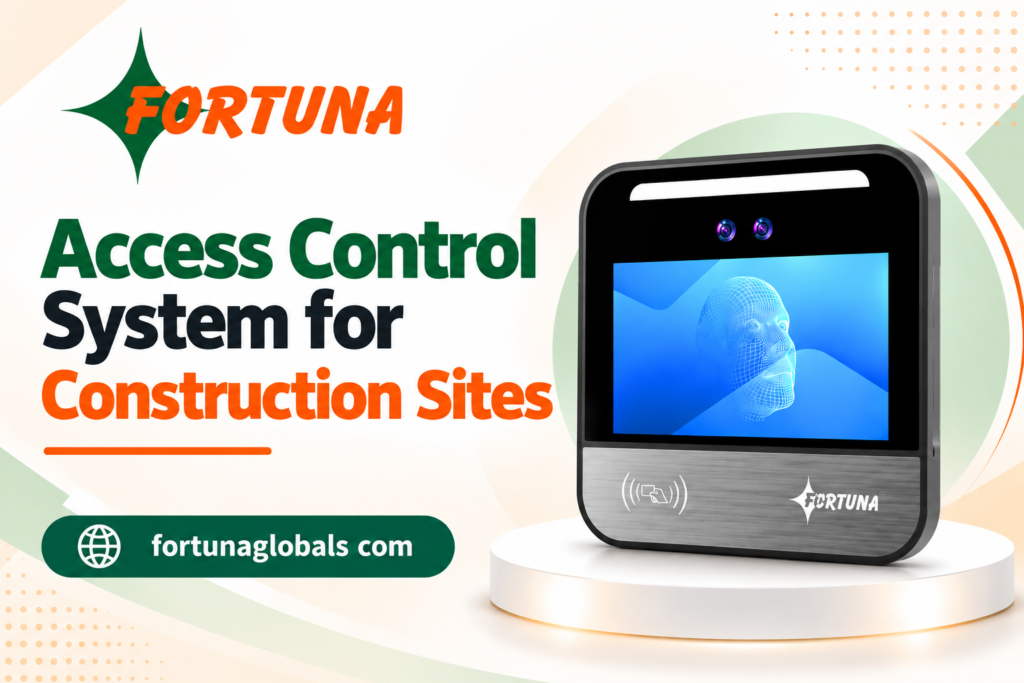
Construction sites are busy environments where multiple workers, contractors, engineers, visitors, and suppliers may enter and leave throughout the day. With valuable equipment, materials, machinery, and sensitive project information present on-site, controlling who can access the premises is essential. A modern access control system for construction sites can help construction companies improve security, monitor site entry and exit, and create a more organized working environment. Fortuna provides access control and biometric solutions designed to help businesses manage employee and visitor access more efficiently. Here are five important benefits of implementing an access control system at construction sites. 1. Improves Construction Site Security Construction sites often contain expensive machinery, tools, raw materials, electrical equipment, and other valuable assets. Uncontrolled access can increase the risk of theft, unauthorized entry, and security incidents. A construction sites access control system allows organizations to control who is permitted to enter specific areas. Depending on the system, access can be managed using biometric identification, cards, PINs, or other authentication methods. By restricting access to authorized individuals, construction companies can establish a more controlled and secure site environment. 2. Prevents Unauthorized Access Construction sites may contain areas that should only be accessible to certain employees or contractors. For example, equipment rooms, material storage areas, server rooms, or restricted project zones may require additional security. An access control solution can help organizations assign access permissions according to employees’ roles and responsibilities. For example, site workers may have access to general work areas, while supervisors or authorized managers may have access to restricted zones. This makes an access control system for construction sites useful for implementing different levels of access throughout a project. 3. Monitors Employee and Contractor Entry Construction projects can involve large numbers of workers from different teams and contractors. Knowing who is present on-site can be important for both security and workforce management. Access control systems can create digital records of authorized entries and exits. Depending on the system, administrators may be able to review information such as employee identity, entry time, exit time, and access location. This provides construction managers with better visibility into site movement and can reduce the dependence on manual registers. A construction sites access control system can therefore help make entry management more organized and transparent. 4. Supports Safety and Emergency Management Construction sites involve various safety risks, and knowing who is present on-site can be valuable during emergencies. In situations such as fire, equipment failure, or other emergency events, access records can help management determine which authorized employees or contractors may currently be inside the site. Access control can also help restrict entry into hazardous or restricted areas where unauthorized personnel could be exposed to safety risks. While an access control system is not a replacement for proper construction safety procedures, it can complement broader site-security and safety management practices. 5. Creates Better Access Records and Accountability Manual visitor registers and paper-based entry systems can be difficult to maintain, especially on large construction projects with multiple shifts and contractors. Digital access records can make it easier to review site-entry activity and identify when authorized personnel accessed the premises. For construction companies managing several projects, centralized access management can also provide better administrative visibility, depending on the system’s configuration. This can improve accountability and make security management more systematic. Why Choose Fortuna for Construction Site Access Control? Construction companies need access management solutions that can work in dynamic environments where employee numbers, contractors, shifts, and site requirements can change regularly. Fortuna offers biometric and access control solutions that can help businesses improve site security and manage authorized access more efficiently. When selecting an access control system for construction sites, companies should consider factors such as: Secure Your Construction Site with Smarter Access Control Construction site security requires more than physical security measures alone. A reliable access control solution can help organizations restrict unauthorized entry, monitor site access, maintain digital records, and improve overall workforce accountability. Whether you are managing a single construction project or multiple sites, implementing a suitable construction sites access control system can be an important step toward smarter and more organized site management. With Fortuna’s access control solutions, construction companies can take a technology-driven approach to securing their sites while maintaining efficient access management.
How a Face Recognition Attendance System Helps IT Companies Improve Employee Productivity
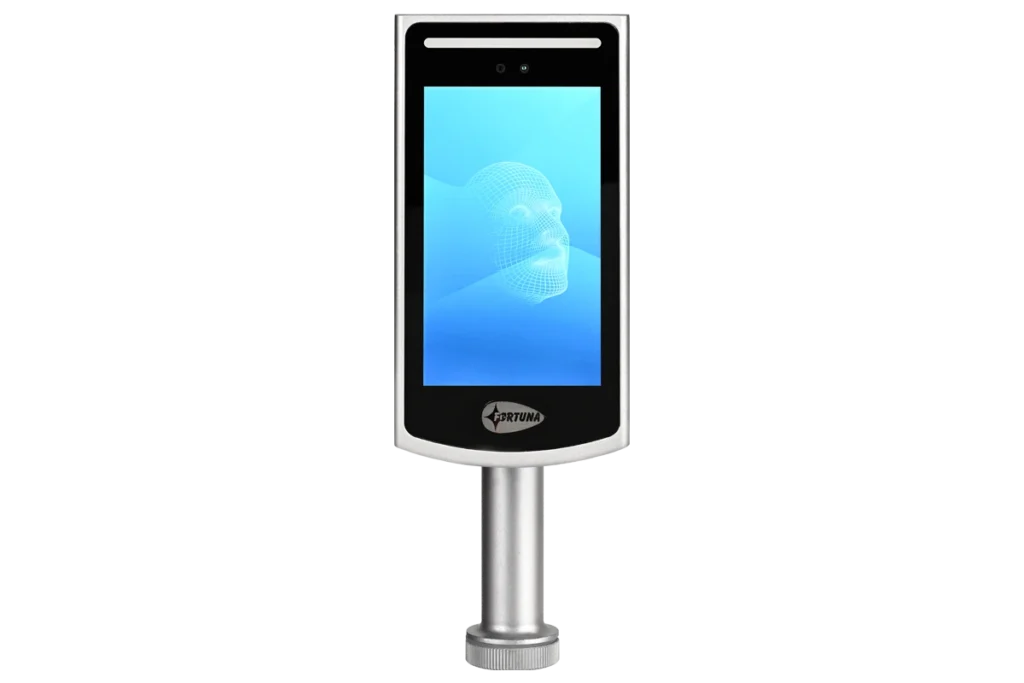
Managing employee attendance is an important part of running a successful IT company. With flexible work schedules, hybrid teams, multiple shifts, and large workforces, traditional attendance methods can become time-consuming and difficult to manage. A Face Recognition Attendance System offers a smarter and more efficient way to record employee attendance while helping IT companies improve productivity, accuracy, and workforce management. What Is a Face Recognition Attendance System? A Face Recognition Attendance System is a biometric attendance solution that uses facial recognition technology to identify employees and automatically record their attendance. Instead of using cards, passwords, or manual registers, employees can simply verify their identity through facial recognition. For modern organizations, this technology provides a convenient and contactless approach to attendance management. Why Do IT Companies Need Smart Attendance Management? IT companies often have hundreds or thousands of employees working across different teams, shifts, and locations. Managing attendance manually can create several challenges, including: A Face Recognition Attendance System for IT companies can automate many of these processes and provide HR teams with accurate, real-time attendance information. How Face Recognition Attendance Improves Productivity 1. Saves Employees’ Time Employees do not need to search for access cards or enter passwords to mark attendance. Facial recognition can verify an employee quickly, reducing time spent at attendance points. The saved time may seem small for an individual employee, but across a large IT workforce, it can significantly improve operational efficiency. 2. Eliminates Buddy Punching Buddy punching occurs when one employee marks attendance on behalf of another. This can result in inaccurate attendance records and productivity losses. A biometric Face Recognition Attendance System identifies employees using their facial features, making it much harder for another person to mark attendance on their behalf. 3. Reduces Manual HR Work HR teams can spend considerable time maintaining attendance records, checking timesheets, calculating working hours, and preparing reports. An automated system can record attendance digitally and generate reports, allowing HR professionals to focus more on employee engagement, workforce planning, and other strategic responsibilities. 4. Supports Accurate Payroll Processing Attendance data is often connected with payroll calculations. Incorrect attendance records can lead to payroll errors, disputes, and additional administrative work. By providing accurate records of employee check-ins and check-outs, a Face Recognition Attendance System for IT companies can help organizations maintain better attendance data for payroll processing. 5. Helps Monitor Working Hours IT projects often operate under strict deadlines. Managers need visibility into employee attendance and working hours to plan resources effectively. A smart attendance system can help organizations track attendance patterns, working hours, late arrivals, and early departures. This information can support better workforce planning and productivity management. 6. Enables Better Workforce Management For large IT companies, managing employees across departments and locations can be challenging. A centralized attendance solution can give authorized HR and management teams access to attendance information from a single platform. This makes it easier to identify attendance trends and manage workforce requirements. 7. Supports Hybrid and Modern Workplaces The modern IT workplace is no longer limited to traditional 9-to-5 office schedules. Many companies have hybrid teams, flexible working arrangements, and multiple office locations. A suitable Face Recognition Attendance System for IT companies can help organizations adapt their attendance management processes to modern workplace requirements. Key Benefits for IT Companies Implementing facial recognition-based attendance can provide several benefits: Why Choose Fortuna Globals? Fortuna Globals provides smart attendance and workforce management solutions designed to help businesses modernize their employee management processes. For IT companies looking to reduce manual attendance work and improve workforce visibility, a Face Recognition Attendance System can be an effective technology investment. Before choosing a solution, businesses should consider factors such as accuracy, scalability, reporting capabilities, integration options, security, ease of use, and compatibility with their existing HR and payroll processes. Employee productivity depends not only on how employees work but also on how efficiently an organization manages its workforce. Traditional attendance methods can create unnecessary administrative work and inaccurate records. A Face Recognition Attendance System for IT companies can automate attendance tracking, reduce time-consuming HR tasks, prevent attendance fraud, and provide better visibility into employee working patterns. With the right technology from Fortuna Globals, IT companies can move toward a more efficient, accurate, and digitally managed attendance process—allowing HR teams and employees to focus more on productive work.